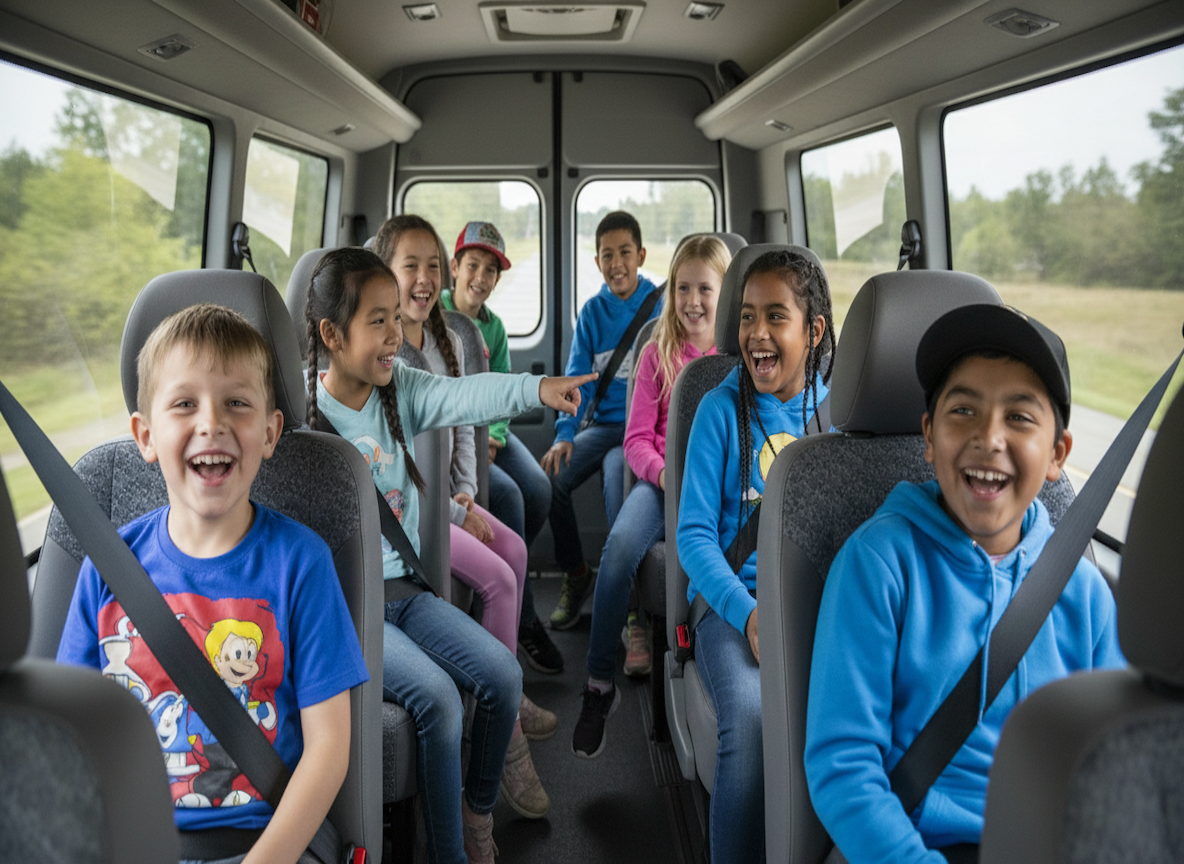
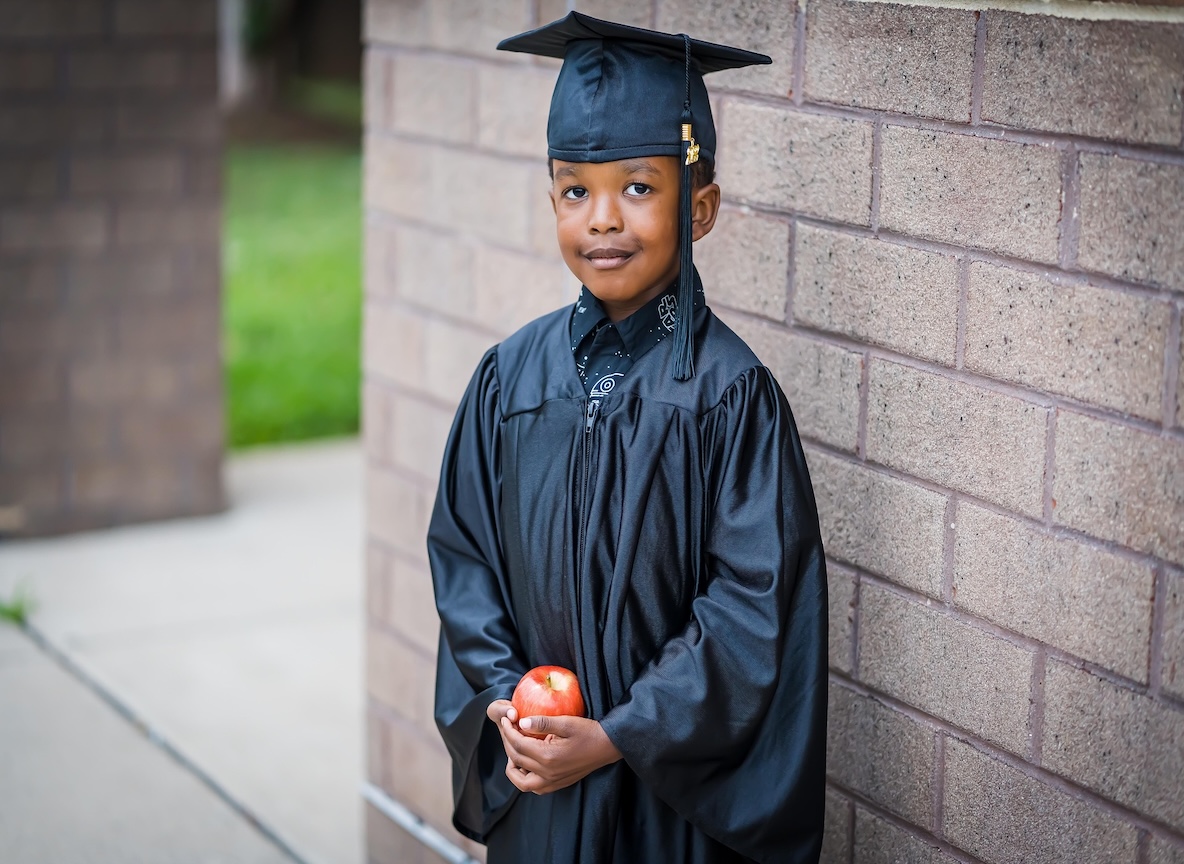
Children experience the world through vision in a unique and evolving way that is crucial for their overall development. From the moment they are born, their visual system begins a rapid process of growth and adaptation, allowing them to interpret and understand their surroundings more clearly as they age.
At birth, a baby’s vision is quite limited. Newborns can see only about 8 to 12 inches away, which is perfect for focusing on their caregiver’s face during feeding. Their eyesight is blurry, and they are primarily sensitive to high-contrast patterns such as black and white shapes. This limited vision helps them to start recognizing faces and simple shapes, which is essential for bonding and early social interaction.
During the first few months, infants develop the ability to track moving objects with their eyes and improve their focus. By around three to four months, children begin to perceive colors more vividly, initially distinguishing between red, green, and blue. This color vision continues to sharpen over time, enriching their experience of the world.
Depth perception, which helps children judge distances and see the world in three dimensions, starts to develop between three and five months of age. This skill is vital for activities such as reaching for objects, crawling, and eventually walking. As motor skills improve, children’s visual and physical coordination becomes more refined.
Preschool and school-age children continue to enhance their visual processing abilities. They learn to recognize letters and numbers, which is fundamental for reading and writing. Visual memory also improves, allowing children to remember and recall visual information more effectively.
Vision plays a key role in cognitive development, social interaction, and learning. Children rely on visual cues to understand emotions, interpret social signals, and explore their environment safely. Adequate lighting, engaging visuals, and opportunities for visual exploration support healthy vision development.
Parents and caregivers should ensure regular eye check-ups to detect and address any vision problems early. Conditions like amblyopia (lazy eye) or strabismus (crossed eyes) are more easily treated when caught early, preventing long-term visual impairment.
In summary, vision is a fundamental sense through which children experience and make sense of the world. From simple shapes and faces to complex reading and spatial awareness, the development of vision is a critical part of childhood growth that supports learning, safety, and social connection.